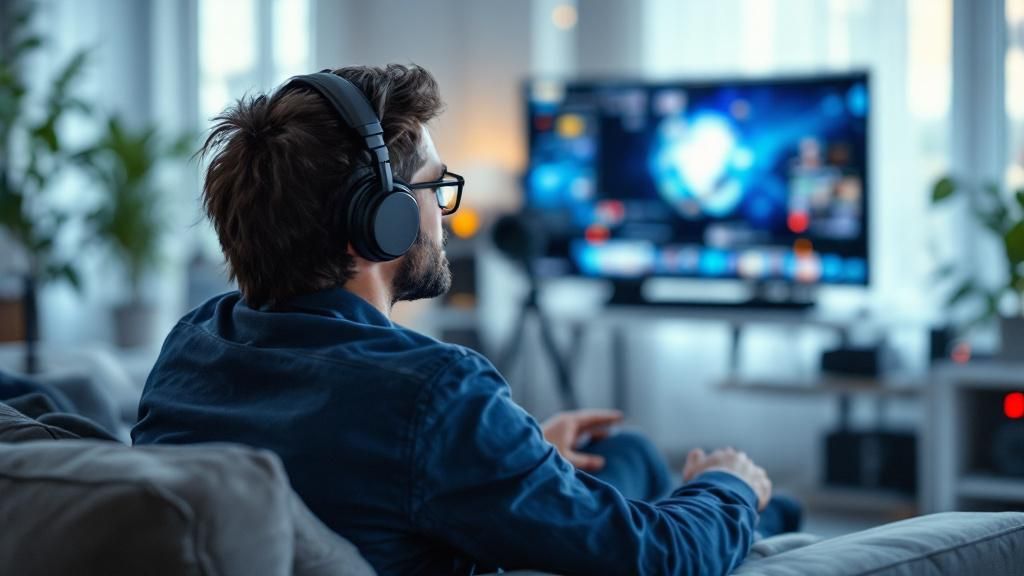
The conventional cinema experience has undergone a fundamental change in recent years, with streaming platforms fundamentally revolutionising how audiences consume films from the comfort of their homes. Gone are the days when cinema-goers had limited options; contemporary film watchers enjoy unprecedented access to vast libraries of material at their disposal. This article examines how platforms like Netflix, Disney+ and Amazon Prime have revolutionised the entertainment sector, examining the digital developments, evolving audience tastes, and cultural implications that have changed home cinema experiences into an progressively advanced and customised experience.
The Expansion of Streaming Platforms in Contemporary Entertainment
The emergence of streaming services has substantially transformed the entertainment sector over the past decade. What began as a niche option to conventional cinema has become a commanding presence, changing how millions of viewers globally access visual media. Services including Netflix, Disney+ and Amazon Prime have committed substantial resources in acquiring content and bespoke content, establishing fierce competition against traditional cinema releases. This shift demonstrates wider changes in consumer behaviour, technological advancement and the globalisation of entertainment industries, positioning streaming as the dominant medium through which viewers now access film content.
The accessibility and convenience provided by streaming platforms have demonstrated irresistible to contemporary audiences. With subscription services eliminating the need for costly theatre visits or physical media purchases, viewers can quickly browse extensive catalogues from their living rooms. The capacity to watch on-demand, pause whenever you like and explore personalised recommendations has fundamentally changed viewing habits. Furthermore, these platforms have made available to world films and varied programming, enabling audiences in remote regions to watch films that weren’t accessible before. This shift represents not merely a shift in how films are delivered, but a comprehensive reimagining of how people enjoy media itself.
Easy Access and Availability Revolutionising How People Watch
Streaming services have fundamentally changed the way audiences view cinema, eliminating geographical and temporal barriers that once restricted viewing options. Rather than adhering to rigid cinema schedules or travelling to physical locations, viewers can now enjoy movies instantaneously from their homes, at times that suit their lifestyles. This extraordinary ease has made films more accessible, enabling people across the United Kingdom to access the same premium content simultaneously, regardless of their location or socioeconomic circumstances.
The inclusive shift goes far past simple ease of use, incorporating technical improvements that enhance the viewing experience substantially. Contemporary streaming services deliver different resolution choices, from basic quality to 4K ultra-high-definition video, allowing users to customise their viewing depending on their broadband capacity and display capabilities. Moreover, options including personalised recommendations, adjustable captions in multiple languages, and adaptive streaming technology make certain that films remain accessible to diverse audiences, particularly for people with visual or auditory disabilities.
Perhaps significantly, streaming services have dismantled the exclusivity that historically surrounded cinema releases. Films become accessible at the same time across multiple platforms and regions, eradicating the frustration of geographic release delays. This worldwide access has created a increasingly inclusive entertainment ecosystem, where audiences worldwide can take part in cultural conversations about films simultaneously, profoundly transforming how cinema functions as a collective cultural experience.
Quality of Content and Original Productions
Streaming services have significantly elevated the standard for new material, pouring substantial resources into high-calibre projects that rival traditional cinema releases. Platforms such as Netflix, Disney+ and Amazon Prime now produce critically acclaimed content from renowned filmmakers and writers, attracting leading creatives once reserved for theatrical releases. This spending has made widely available premium content, enabling viewers to access theatrical-standard entertainment without leaving their homes. The competition amongst streaming giants has fostered an remarkable creative flourishing, with each platform pursuing recognition and viewer loyalty through innovative storytelling and production excellence.
The range of exclusive content accessible via digital services has reshaped consumer expectations and viewing patterns significantly. From prestige dramas to large-scale productions, these providers deliver broad content selection catering to varied tastes and viewer groups. Many highly praised films now launch straight on streaming platforms, disrupting standard theatrical release strategies. This transition has enabled new creators to connect with international audiences in real time, promoting cultural exchange and artistic variety. Therefore, viewers now enjoy unlimited options, with quality original content constantly replenishing their entertainment choices and enriching their home entertainment experience significantly.
The Future of Film and Audience Engagement
The evolution of streaming platforms indicates an increasingly immersive outlook for at-home entertainment. Emerging technologies such as 8K picture quality, immersive sound, and virtual reality integration are set to enhance the at-home viewing experience to remarkable standards. As budgets for streaming content keep compete with theatrical releases, the gap between high-end cinema and home entertainment will continue to diminish. Audiences can look forward to more sophisticated interactive capabilities, personalised content curation utilising AI technology, and smooth integration across multiple devices, substantially transforming what it entails enjoy movies at home.
Meanwhile, the relationship between streaming platforms and conventional movie theatres is evolving into a increasingly collaborative relationship rather than outright competitive conflict. Studios now acknowledge the value of theatrical releases for major blockbusters whilst embracing streaming for varied, specialist programming. This hybrid model benefits audiences by preserving the shared theatre experience whilst broadening access for those unable to attend cinemas. The future undoubtedly belongs to a varied media landscape where streaming platforms and conventional cinemas coexist, each catering to different viewer tastes and consumption habits in an increasingly personalised media landscape.
